
Le yoga classique offre une large gamme d’exercices variés et complémentaires. Ils apportent clarté mentale, énergie et détente psychique profonde. L’enseignement se base sur des résultats pratiques et non sur des prévisions ou des explications philosophiques.
Yoga & méditation Paris vous propose des cours et des stages complets comprenant :
- asana (postures)
- pranayama (exercices de respiration)
- mudra et bandha (attitudes et verrouillages énergétiques)
- pratyahara (abstraction)
- dharana (concentration)
- Les cours comprennent également des techniques de relaxation, comme par exemple Yoga Nidra et nos méditations principales, Antar Mauna et la Source d’Energie.
Ces différents éléments interagissent, pour se renforcer mutuellement. Un cours est composé de séquences dédiées à chacun de ces éléments.
Les éléments des cours en détail
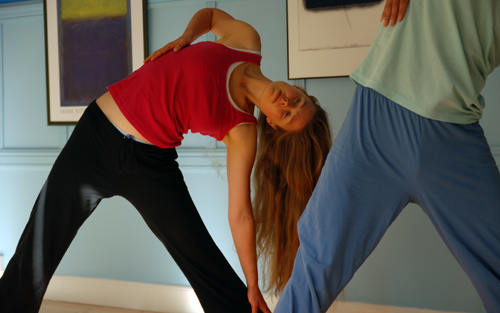
Asana – Exercices physiques
Les asanas touchent les fonctions du corps. Les muscles sont étirés, les organes internes renforcés, la circulation sanguine et lymphatique équilibrée et les glandes stimulées. Les postures sont effectuées en douceur et en conscience. Elles calment le mental et préparent le corps pour les exercices de respiration et pour la méditation.
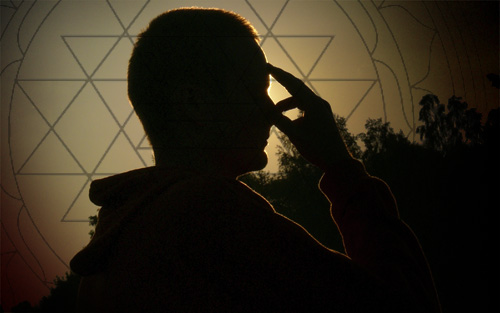
Pranayama – Exercices respiratoires
Les pranayama approfondissent les bienfaits des postures. Ils purifient les courants d’énergie, équilibrent le système nerveux et augmentent la concentration. Pratiqués régulièrement, ils libèrent les blocages émotionnels, réduisent les tensions mentales, soulagent le stress et les états dépressifs.
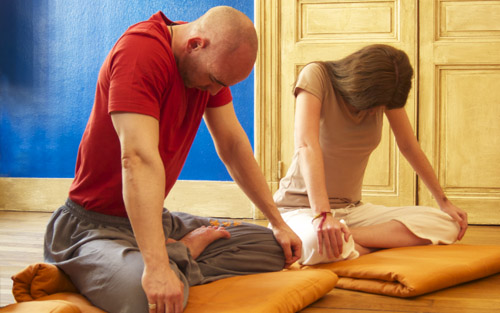
Mudra et bandha – Attitudes et verrouillages énergétiques
Les bandhas sont les verrouillages énergétiques. Dans le hatha yoga classique ils sont utilisés en combinaison de certains exercices de respiration. Ayant équilibré le système nerveux à travers ces exercices, les mudras offrent une manière d’augmenter votre niveau d’énergie.
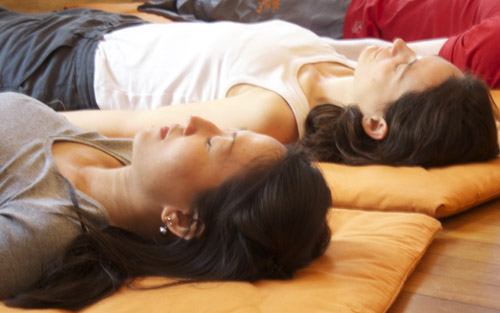
Yoga Nidra – Relaxation profonde méditative
Cette technique de relaxation très efficace détend en profondeur le corps aussi bien que l’esprit. Elle vous amène dans un état où les frontières entre le conscient et le subconscient sont diffuses. Dans cet état une relaxation de tout votre être est possible. Le Yoga Nidra entraîne la capacité à se détendre au quotidien et améliore la qualité du sommeil.
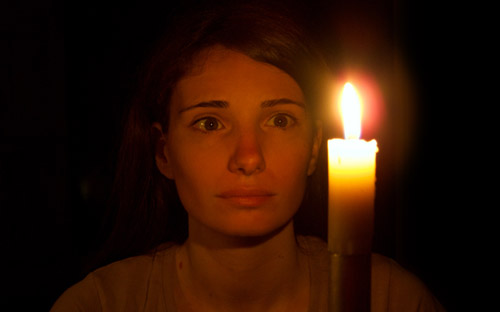
Tratak – Concentration
Cet exercice de concentration sur la flamme d’une bougie développe les capacités d’attention en dirigeant sa concentration vers un seul objet, sans que le mental vagabonde. Il aide à atteindre les dimensions plus profondes du yoga.
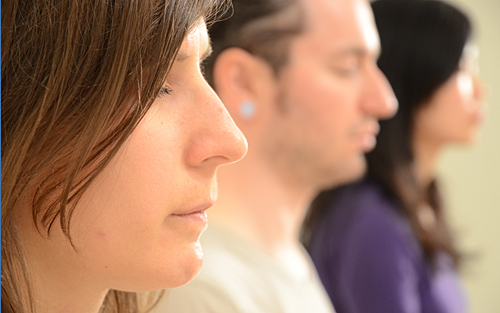
Méditation – Antar Mauna
La méditation est un état d’esprit où il n’y a plus d’identification avec le contenu du mental. Pour se rapprocher à volonté de cet état il faut une technique. Grâce à Antar Mauna vous apprenez une autre manière de vivre les expériences et de rester présent dans le moment en toute conscience.
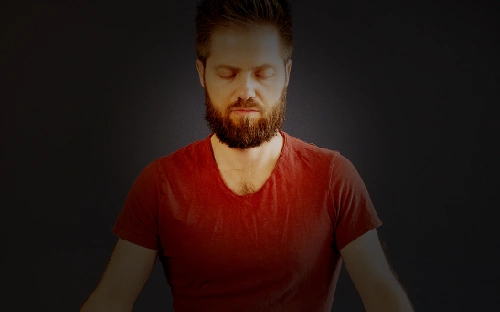
Méditation – La Source d’Energie
La Source d’Énergie se base sur une technique de respiration particulière, la respiration psychique ou Ujjayi pranayama. Cette technique éveille harmonieusement vos réservoirs énergétiques latents.
Caractéristiques des cours
Abonnez-vous à notre newsletter
Soyez tenus au courant de nos actualités.